The Four Nights the Forest Hid Gina Chase
In August 2024, a ten-minute walk from a Colorado wilderness camp turned into four nights alone among dense trees. Gina Chase built shelters, improvised a water filter, and walked toward the sunrise to find her way out.
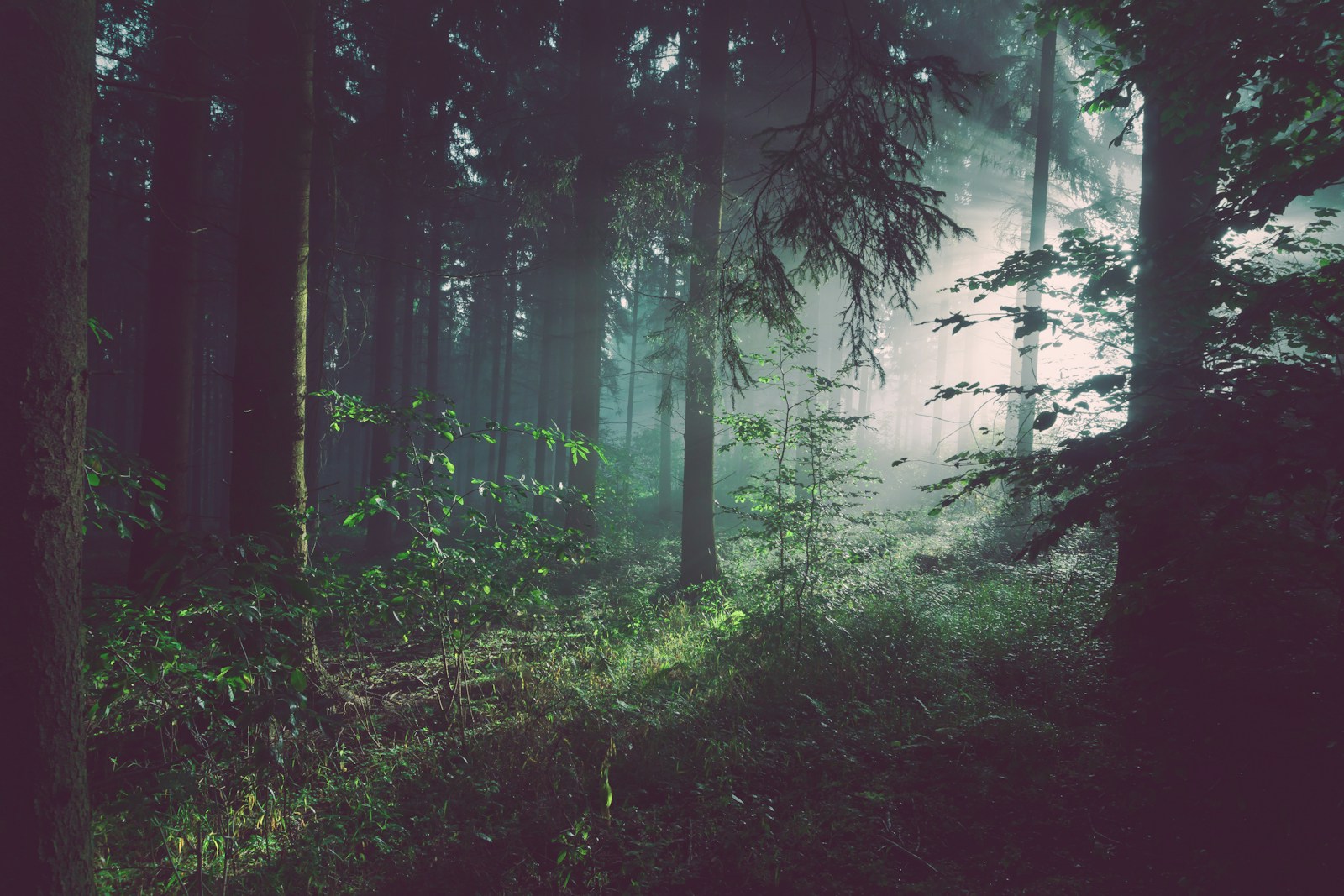
The first thing Gina Chase needed to do was simple: walk a short distance from her wilderness campsite and leave a signal for another camper. It was August 2024 in the mountains of southwestern Colorado, and the fifty-three-year-old Canadian had joined a guided retreat in the backcountry near Lone Cone. A small task, expected to take about ten minutes, was about to become a struggle that lasted four nights.
The retreat included a period of solitude. Participants spent time alone in the forest and were encouraged to fast and disconnect from everyday technology. To reassure one another that they were safe, paired campers used a system involving stones on a log. Each person would move stones at an appointed time. Gina set out to make her check-in, but another camper's campsite lay in her path.
Rather than disturb that camper, Gina went off the route. In a forest full of similar-looking trees and ridges, she became disoriented. She walked farther than she intended. When she tried to reverse course, the route back was no longer obvious. The trees had swallowed the familiar landmarks.
The belongings that could have made the ordeal easier were back at camp. According to an investigation later reported by CBS Colorado, she had left behind much of her shelter equipment and other supplies, expecting to be gone only briefly. Accounts differ on precisely which emergency food and gear she carried, but the essential problem was clear: she was separated from her camp without a reliable way to navigate back.
By the time the light faded, Gina faced a decision. She could continue walking through unfamiliar terrain in the dark, or try to protect herself from the cold until morning. She gathered branches and made a shelter. It was crude, and the first night was bitterly cold. But it was a place to stop and think.
Back at the retreat, the expected stone signal never appeared. Gina's designated partner reported that something was wrong. Guides searched and then contacted authorities. Deputies, volunteers, dog teams, and aircraft began looking through the thick mountain forest. From above, the land was an enormous patchwork of green. From below, it was a maze.
The following day, Gina tried again to find her camp. Instead, she became even more lost. The exertion was wearing her down, and the forest offered little reassurance. She improved her shelter, choosing a dense stand of trees that offered some protection from the weather. Yet the same canopy that sheltered her made her difficult to see.
At times she could hear helicopters. She blew her whistle. She tried to signal. Search aircraft passed through the region, but no one spotted her. The space blanket she carried was difficult to make visible beneath the branches. The sounds of rescue came and went, leaving her alone again.
Gina also tried making small fires. Investigators later concluded that smoke did not rise clearly above the treetops; Gina disputed parts of that account, saying she did try to make herself visible. She was also concerned about starting a wildfire. Her efforts were real, but in that landscape a signal could disappear only a few feet above the ground.
Water became another problem. Gina found a stagnant source and improvised a filter using charcoal from her fire and natural material, collecting water in a rubber glove. She later said television survival programs had helped give her ideas. Such improvised filters do not reliably remove pathogens, but the effort shows how urgently she was trying to solve the problem with what she had.
Meanwhile, the search expanded. Teams from multiple agencies combed the area near Norwood, Colorado. Rescuers knew Gina could be somewhere close and still remain hidden by the terrain. As the days passed, concern grew. Every hour exposed her to more fatigue and the possibility of cold nights or storms.
Then Gina chose a new direction. Instead of searching endlessly for a campsite that might be behind any ridge, she decided to travel toward the rising sun. Moving east gave her a consistent bearing. On the morning of August 18, she emerged near the search area and encountered people who could help her.
After four nights alone, Gina was alive. Responders evaluated her and helped her return to safety. Her rescue brought relief to her family and the teams who had searched the woods. It also prompted serious questions about the retreat's safety arrangements, navigation preparation, and advice concerning emergency communications.
Gina's story has no monster in the trees and no supernatural mystery. Its frightening detail is smaller and more familiar: one ordinary decision to step off a route, followed by the sudden realization that every direction looks the same. Her survival was a combination of determination, improvisation, a fortunate exit, and the work of rescuers who refused to stop looking.
When you sit beside a campfire tonight, imagine a whistle sounding under a canopy of pines while a helicopter passes somewhere above. The lesson is worth remembering: carry reliable navigation and emergency communication, even on a short walk; leave a clear route plan; and never assume that ten minutes in the wilderness will remain ten minutes.
Historical note: This story is based on reporting about Gina Chase's August 2024 disappearance near Norwood, Colorado. Reports differ on some gear details and the exact circumstances of her signaling and recovery; those disputes are noted rather than resolved through invented dialogue. The story's atmospheric descriptions are narrative reconstruction.